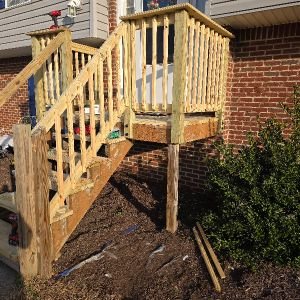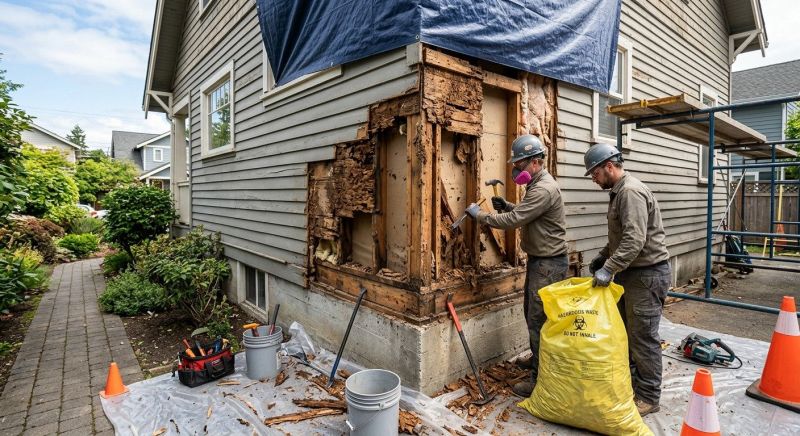
Wood Decay Removal in Denver County, CO
Wood decay removal services focus on identifying and eliminating areas of compromised or rotting wood in residential properties. This service typically covers projects such as treating damaged porch columns, window frames, door jambs, fences, decks, and other wooden structures affected by moisture, fungi, or pests. Property owners often seek this service to prevent further deterioration, protect structural integrity, and maintain the appearance of their homes. Before requesting wood decay removal, it’s helpful to understand the extent of the damage, the types of wood involved, and whether underlying issues like moisture intrusion or pest activity need to be addressed to ensure long-lasting results.
Proper wood decay removal involves carefully removing all compromised material, treating the remaining wood to inhibit future decay, and restoring the affected area with appropriate repairs or replacements. Homeowners should inquire about the methods used to identify the full scope of the decay, the types of treatments applied, and the recommended follow-up steps to prevent recurrence. Clear communication about the condition of the wood and the repair process can help ensure that the project effectively preserves the property’s safety and aesthetic appeal.
Many property owners in Denver County, CO look into Wood Decay Removal for repairs, replacements, upgrades, and appearance-related improvements.
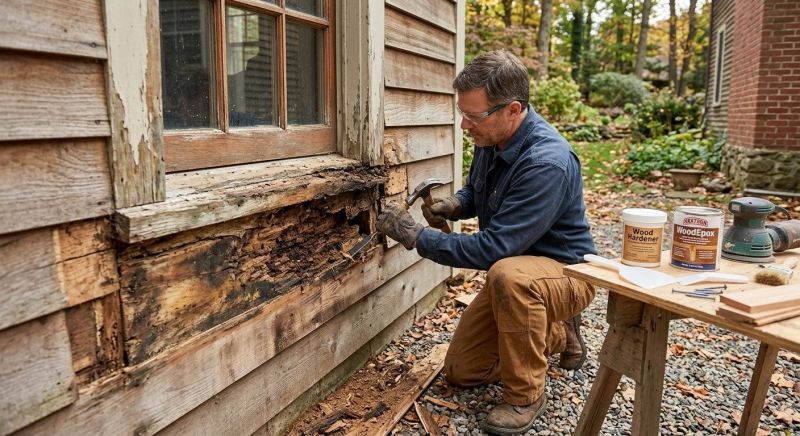
Identifying Wood Decay
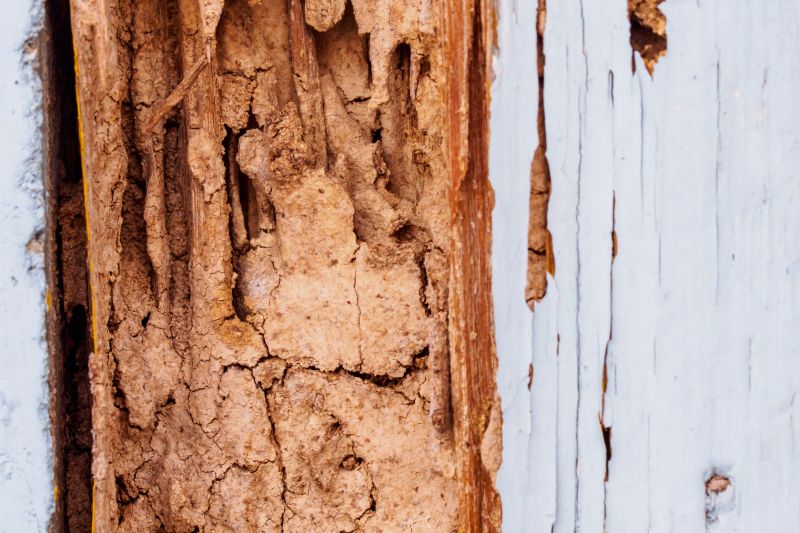
Recognizing signs of wood rot can help prevent structural damage in homes around denver county.
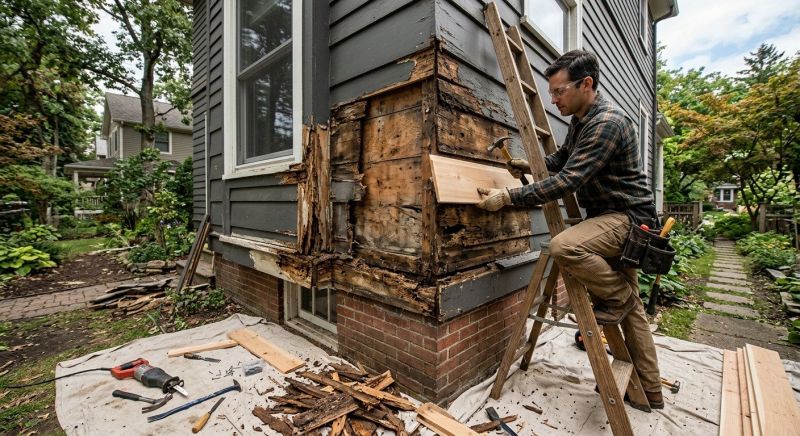
Signs Of Wood Damage
Common indicators include soft or crumbly wood, discoloration, and the presence of fungi or mold.
Preventive Maintenance
Regular inspections and prompt repairs can protect properties from extensive wood decay issues.
Wood Decay Removal in Denver County, CO

Wood decay removal services focus on identifying and eliminating areas of compromised or rotting wood in residential properties. This service typically covers projects such as treating damaged porch columns, window frames, door jambs, fences, decks, and other wooden structures affected by moisture, fungi, or pests. Property owners often seek this service to prevent further deterioration, protect structural integrity, and maintain the appearance of their homes. Before requesting wood decay removal, it’s helpful to understand the extent of the damage, the types of wood involved, and whether underlying issues like moisture intrusion or pest activity need to be addressed to ensure long-lasting results.
Proper wood decay removal involves carefully removing all compromised material, treating the remaining wood to inhibit future decay, and restoring the affected area with appropriate repairs or replacements. Homeowners should inquire about the methods used to identify the full scope of the decay, the types of treatments applied, and the recommended follow-up steps to prevent recurrence. Clear communication about the condition of the wood and the repair process can help ensure that the project effectively preserves the property’s safety and aesthetic appeal.
Many property owners in Denver County, CO look into Wood Decay Removal for repairs, replacements, upgrades, and appearance-related improvements.
Common Wood Decay Removal Jobs
Wood Decay Removal - Eliminates rotting wood to prevent further structural damage.
Fungal & Mold Removal - Removes fungi and mold that cause wood decay and health concerns.
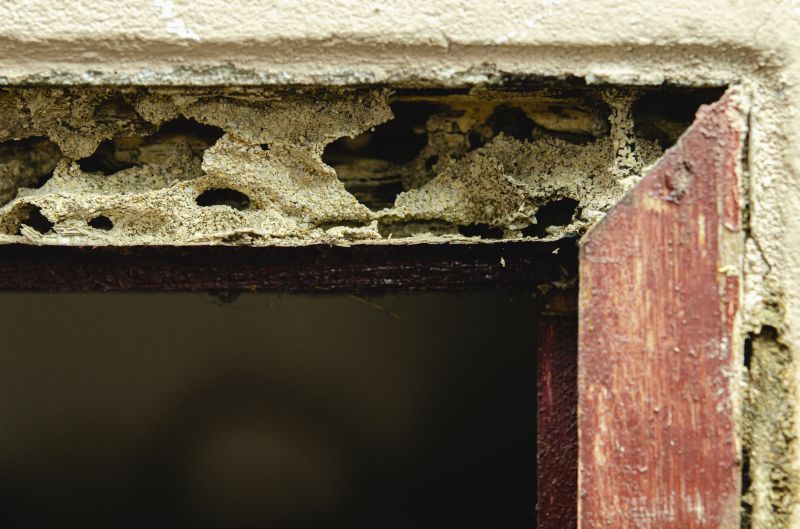
Infected Wood Treatment - Treats and removes decayed wood affected by pests or moisture.
Structural Reinforcement - Restores weakened wood to maintain building stability.
Inspection & Assessment - Identifies areas of decay and determines the necessary removal process.
Preventive Solutions - Applies treatments to inhibit future wood decay and prolong wood lifespan.
Wood Decay Removal Questions
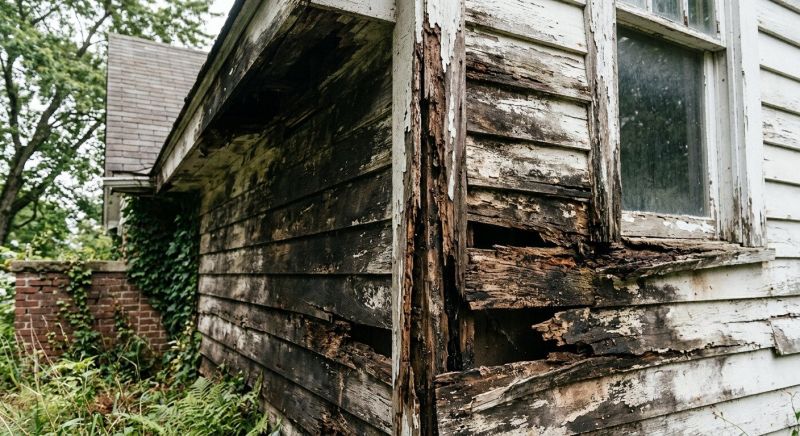
What causes wood decay in structures? Wood decay is typically caused by moisture exposure combined with fungi, leading to rot and structural weakening.
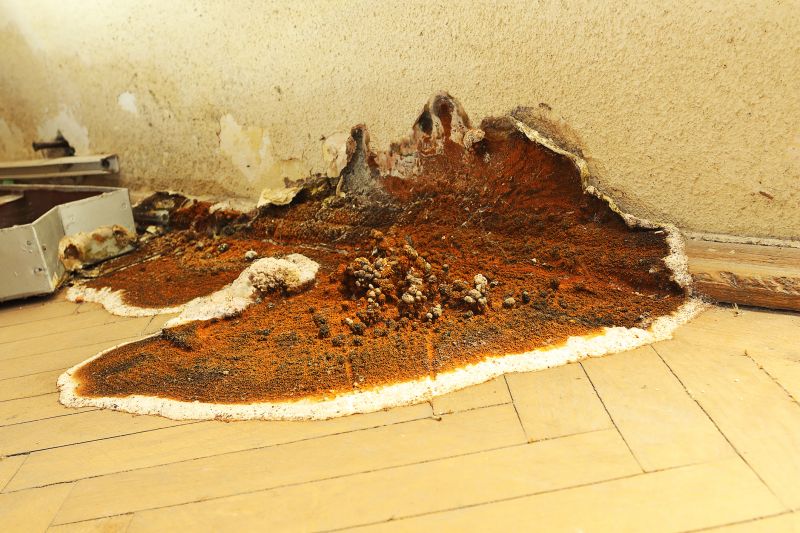
How can I tell if my wood has decay? Signs include soft, crumbly wood, discoloration, and visible mold or fungi growth on the surface.
What types of wood are most vulnerable to decay? Softwoods like cedar, pine, and spruce are more prone to decay if exposed to moisture over time.
Why is timely removal of decayed wood important? Removing decayed wood helps prevent further damage and maintains the integrity of the structure.
Request Wood Decay Removal in Denver County, CO
Use the quote form on this page to share the basics of your project and request more information for the type of work you need.